I’ll be honest with you: for years I assumed homemade doughnuts were a weekend science experiment that would ruin my counters and my oil budget. But here’s the thing—the cold-proof method in this recipe is basically a lazy baker’s dream. You mix a simple enriched dough, tuck it into the fridge overnight, and let the yeast do its slow, sleepy work while you chill. By morning, the dough is elastic, flavorful, and ready to transform into something that looks straight out of a bakery case.
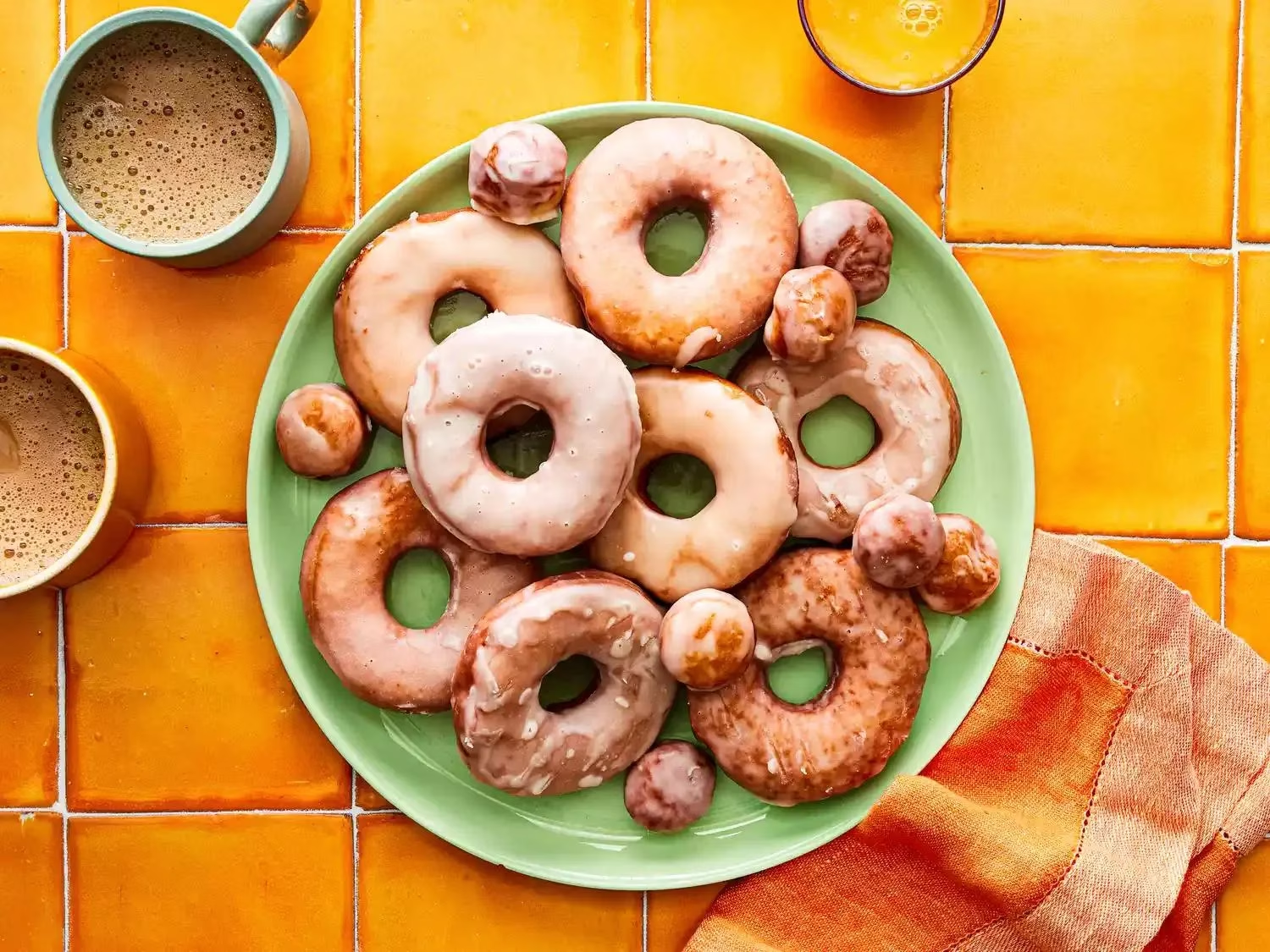
These are yeast-raised doughnuts, not cake doughnuts. That means they puff up light and airy, with a little chew and a golden crust that shatters gently when you bite in. Cake doughnuts, by contrast, are denser and craggier. Both are fried, yes, but today I’m walking you through the fluffy ones—the kind that feel almost like a warm, sweet cloud.
Why Cold-Proofing Is a Game-Changer
Instead of babysitting a bowl of dough on the counter, you mix everything, cover it, and slide it into the fridge. The dough rises slowly overnight, building flavor and structure without any hovering. I like to think of the fridge as a very patient assistant: it keeps the yeast munching along at a gentle pace while you get your beauty sleep.
By the time you roll it out, the dough is pleasantly firm and easy to handle. You still need a second proof after shaping, but that’s only 45 minutes to an hour in a warm spot. If your kitchen runs cold and dry, preheat your oven to its lowest setting, turn it off, and use it as a proofing box. Easy peasy.
Ingredients You’ll Need
For the dough:
| Ingredient | Amount |
|---|---|
| Whole milk, warmed to 90°F (32°C) | 1 1/8 cup (265 ml) |
| Sugar | 1/2 cup |
| Active dry yeast | 2 1/4 teaspoons (one package) |
| Whole eggs, beaten, at room temperature | 2 |
| Unsalted butter, melted and cooled | 3/4 cup (6 ounces; 170 g) |
| Bread flour | 4 cups (18 1/4 ounces; 520 g) |
| Diamond Crystal kosher salt | 1 teaspoon (or 1/2 teaspoon table salt) |
| Frying fat (lard, Crisco, or neutral oil) | 2 quarts |
For the glaze:
| Ingredient | Amount |
|---|---|
| Whole milk | 1/4 cup (60 ml) |
| Confectioners sugar | 2 1/2 cups (9 1/2 ounces; 273 g) |
| Vanilla extract | 1 teaspoon |
| Kosher salt | 1 pinch |
Mixing the Dough
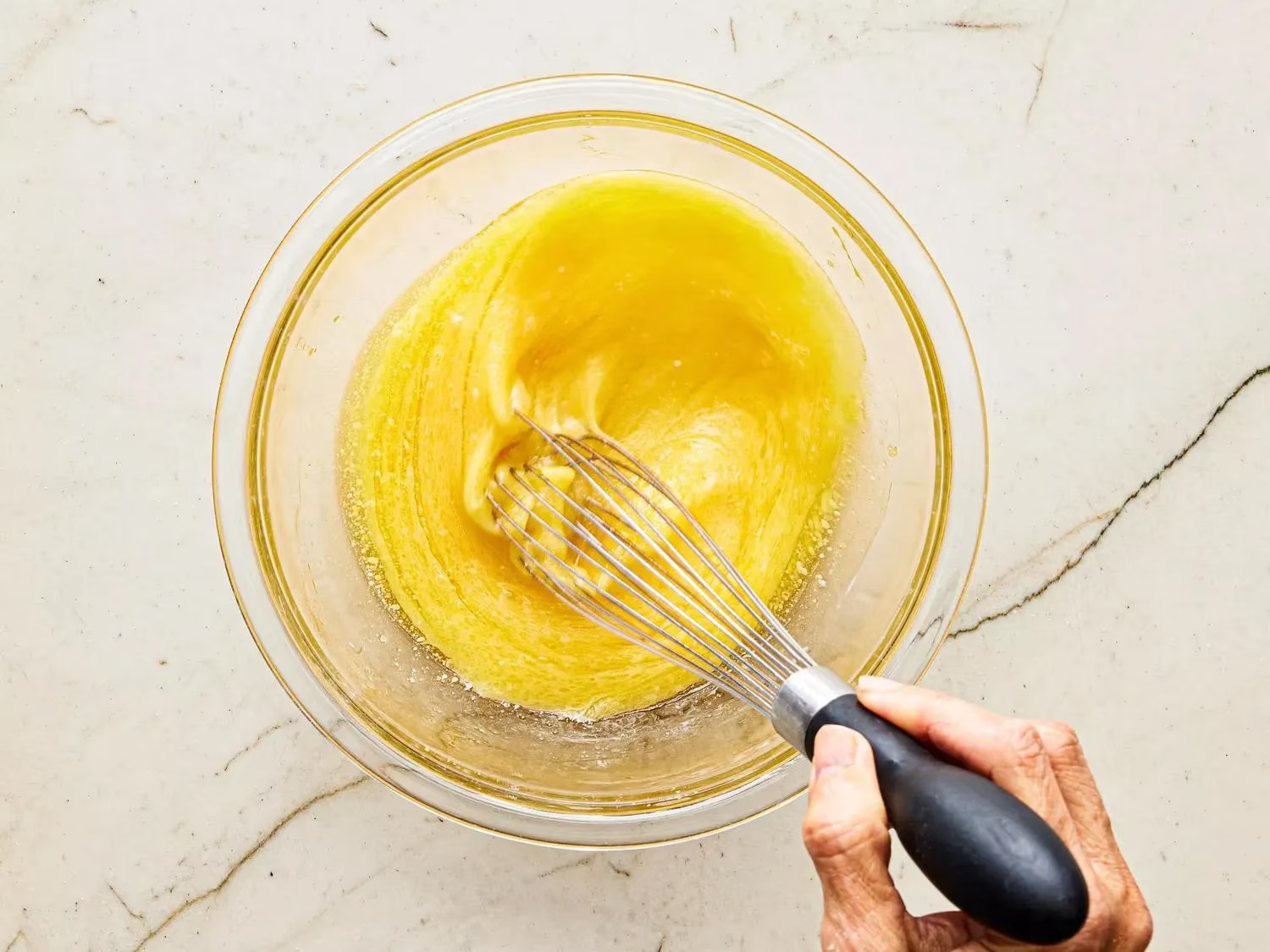
In a small bowl, whisk the warm milk and sugar, then stir in the yeast. Let it sit until it starts to foam on top, about five minutes. That foam is the yeast waking up and stretching—don’t rush it.
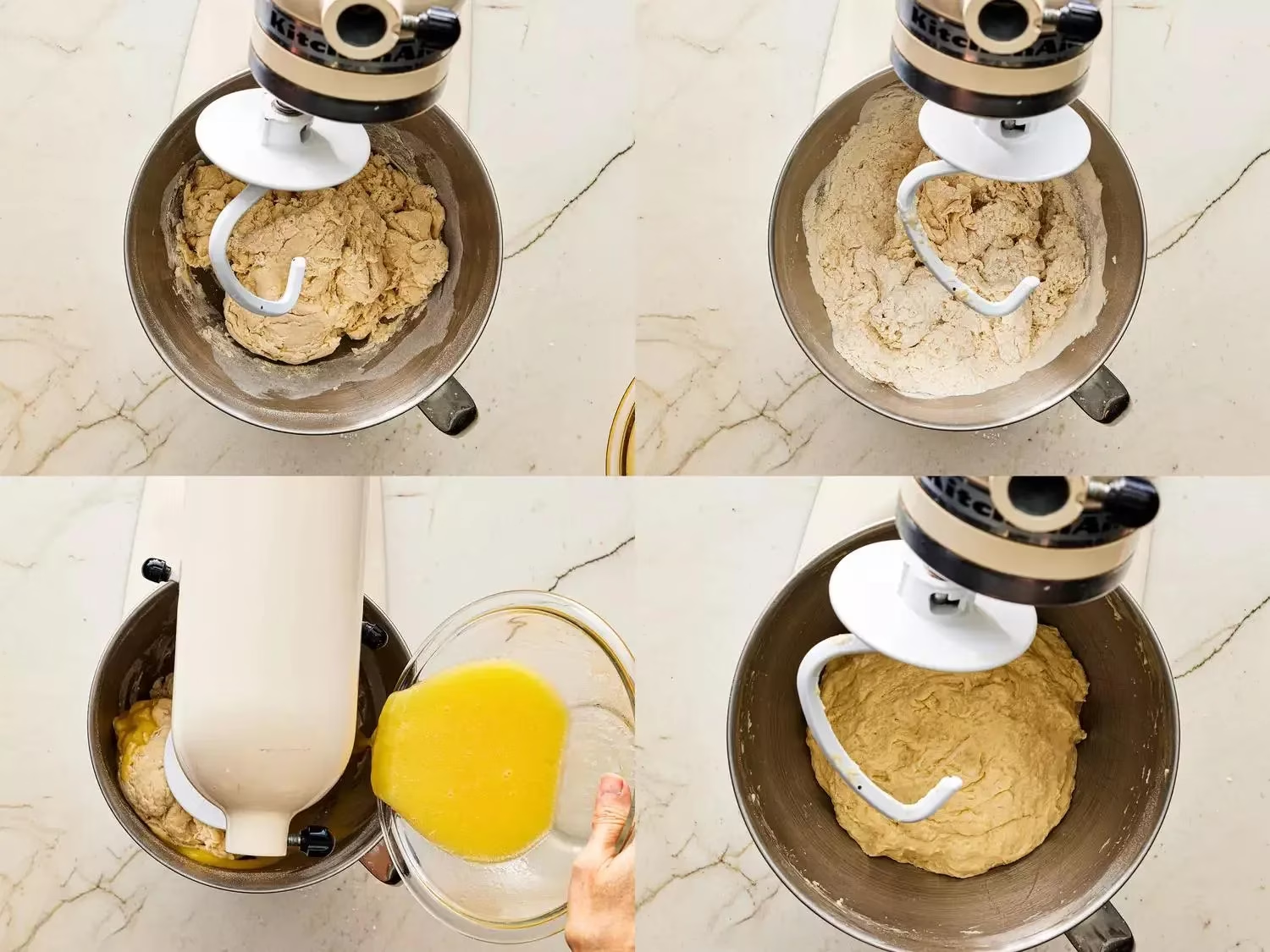
In a stand mixer fitted with a dough hook, combine the flour and salt. Add the milk mixture on low until the flour is hydrated, then increase to medium until a dry-looking dough forms. Slowly pour in the egg-butter mixture, then mix on medium-high until the dough is smooth and elastic and clears the sides of the bowl, about 10 minutes. You’ll hear it slapping against the side, which always makes me feel like a pro.
Transfer the dough to a lightly greased bowl, cover with plastic wrap, and refrigerate overnight. Seriously, just walk away. It’s doing more work than you think.
Shaping and Proofing
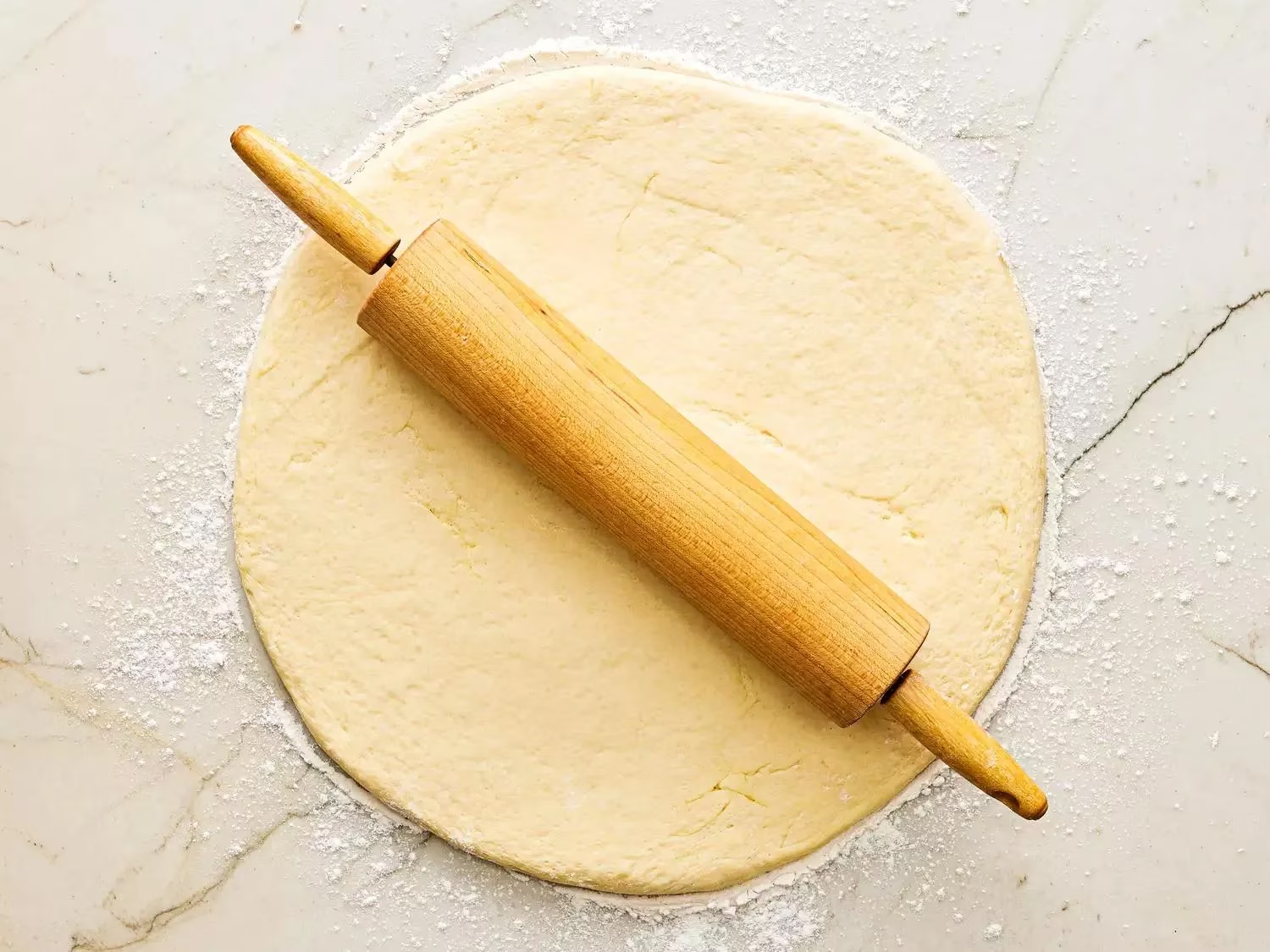
The next morning, turn the cold dough out onto a floured surface and roll it to a uniform 1/2-inch thickness. Using a 3-inch round cutter dipped in flour, cut out rounds, then punch out the centers with a 1-inch cutter. Transfer the doughnuts and holes to lined baking sheets, leaving about an inch between them.
Place the doughnuts in a warm, moist spot to proof until they’re very puffy and fragile to the touch, 45 minutes to an hour. They should look like little pillows that might sigh if you poke them. If you don’t have a warm spot, use the oven trick I mentioned.
Deep-Frying Without Losing Your Nerve
Frying at home can feel intimidating, but a few habits make it smooth:
-
Use a wide, heavy pot with high sides—Dutch ovens are perfect.
-
Choose a neutral high-smoke-point oil like canola, or go old-school with lard or shortening.
-
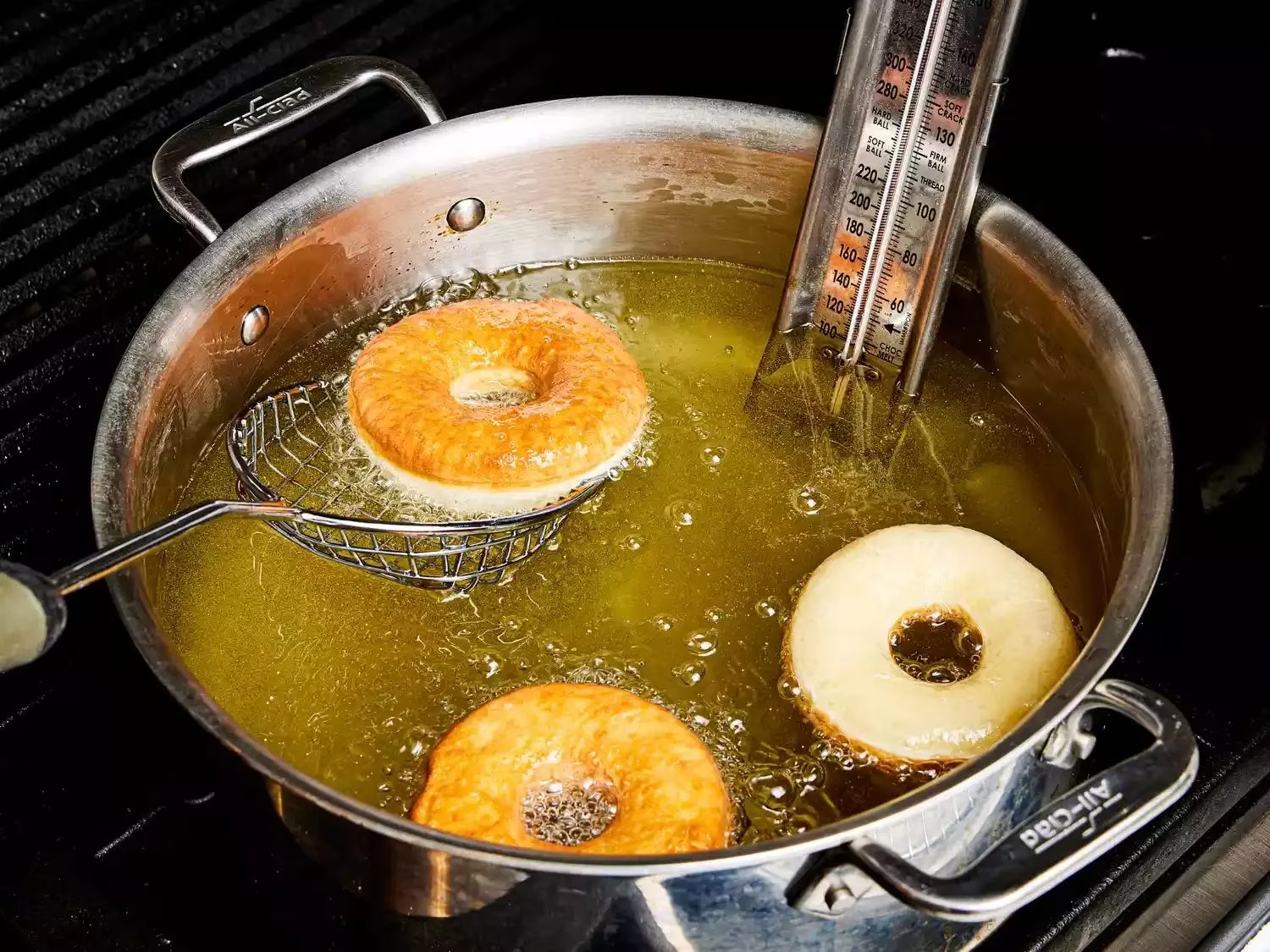
Clip a thermometer to the pot and keep the oil at 375°F (190°C).
-
Add doughnuts gently; don’t drop them from a height like little oil bombs.
-
Never add wet or damp items to hot oil.
-
Let the oil return to 375°F between batches.
Fry three doughnuts at a time until golden brown on the bottom, 1 to 2 minutes, then flip and fry 1 to 2 minutes more. If they’re browning too fast, turn them earlier. Let them cool for about 10 minutes on a paper-towel-lined rack. I always break one open to check it’s cooked through—quality control, right?
Glazing Like a Pro
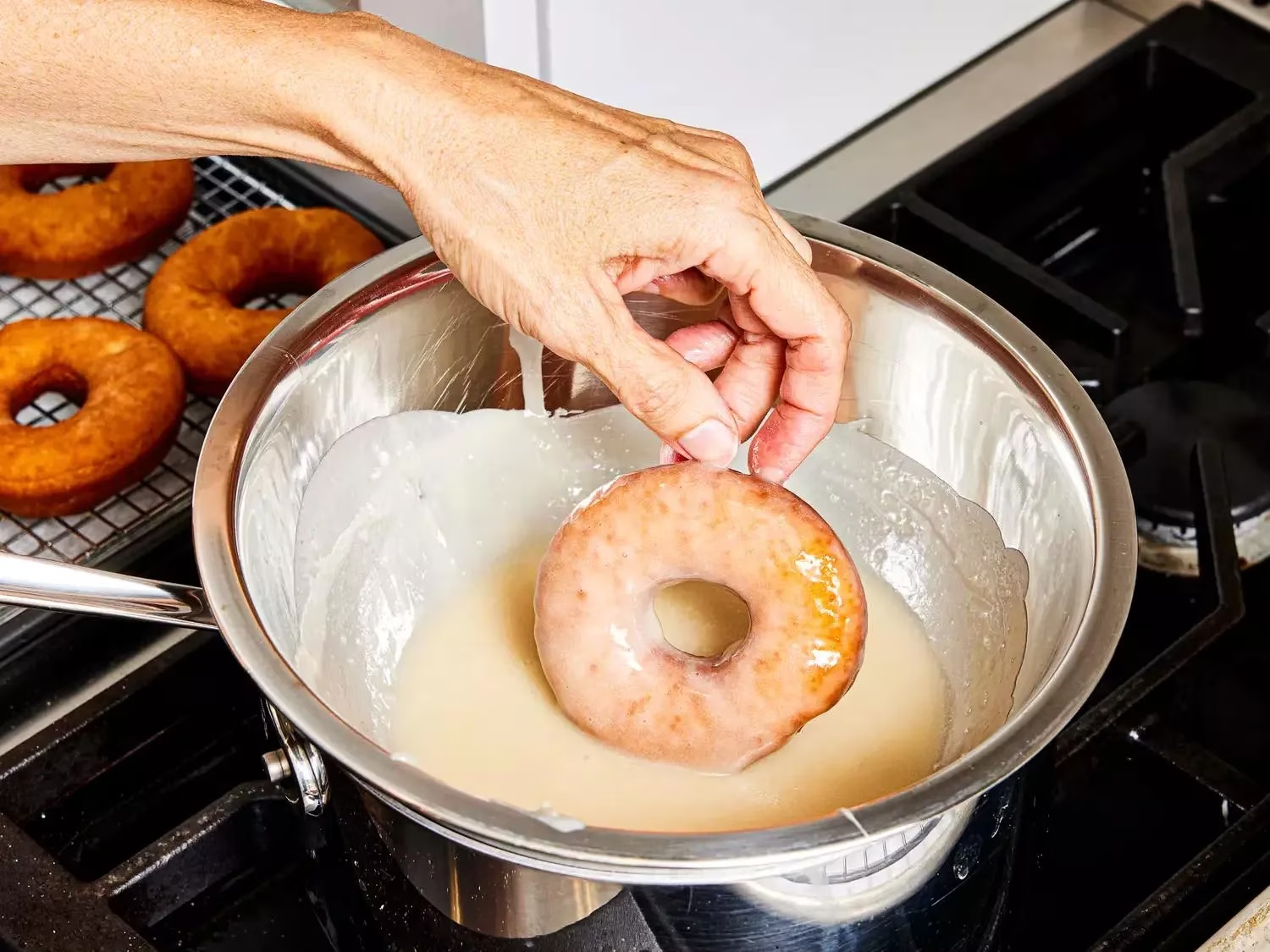
For the glaze, warm the milk in a small saucepan until it steams, then stir in the confectioners’ sugar, vanilla, and a pinch of salt. Keep it over a pot of warm water so it stays pourable but not too thick. Dip each doughnut while it’s still warm, using your fingers or tongs, then set them on a clean rack to dry. The glaze turns more translucent as it sets, which looks ridiculously good.
Serve them immediately for the best flavor. Honestly, homemade doughnuts are one of those things where the first bite makes you wonder why you ever bought them. They’re crisp, tender, and just sweet enough. So go ahead—let the dough hang out in the fridge, fire up some oil, and treat yourself. You’ve earned it. 🍩
Leave a Comment
Comments